
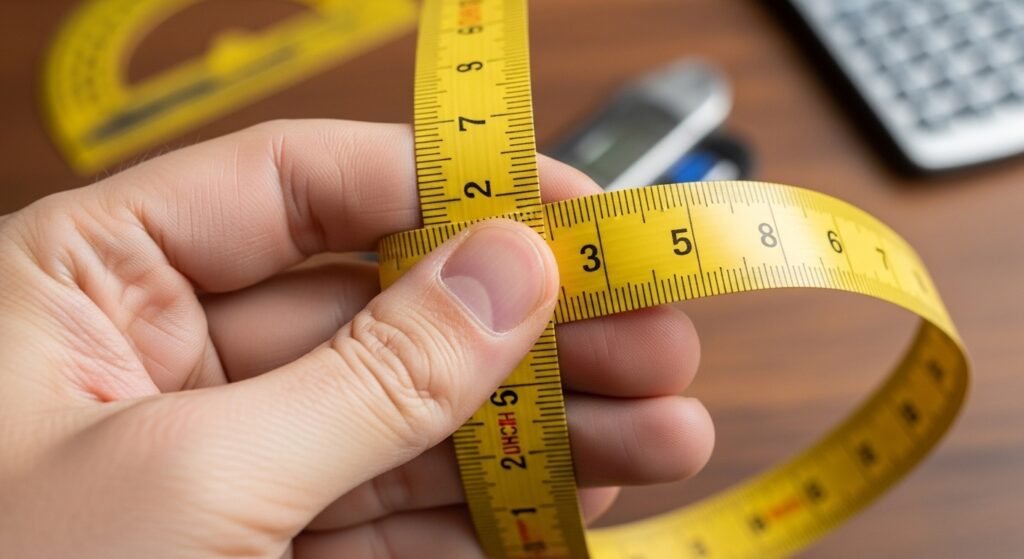

When people ask, “is 7 inches long”, they are usually trying to understand how that measurement feels in real life rather than just seeing it as a number on a ruler. Numbers alone can be confusing because they lack context, and without a clear comparison, it is difficult to visualise what 7 inches truly represents. This article will help you clearly understand the meaning of this measurement by connecting it to everyday objects, real-world uses, and practical examples that make it easier to grasp.
You will also discover how 7 inches compares to other lengths, why perception plays a role in how we judge size, and how this measurement fits into different categories such as small, medium, or large. By the end of this guide, you will not only understand whether 7 inches is long, but you will also be able to estimate it easily without needing a ruler every time.
What Does 7 Inches Actually Look Like?
Understanding whether “is 7 inches long” becomes much easier when you connect it with objects you already know and see regularly in your daily life. Seven inches equals approximately 17.78 centimetres, which places it slightly over half the length of a standard 12-inch ruler. While that might still sound abstract, imagining real items of similar size helps build a clear mental picture.
Many everyday objects fall very close to this measurement, making it easier to visualise without tools. For example, a standard pencil is often around 7 to 7.5 inches long, and the length of an adult hand from wrist to fingertip is usually within the same range. A small kitchen knife blade, a toothbrush, or even the width of certain tablets also closely match this measurement.
| Object | Approx Length |
| Pencil | 7–7.5 inches |
| Adult hand | 7–8 inches |
| Toothbrush | ~7 inches |
| Small tablet width | ~7 inches |
When you compare 7 inches to these familiar objects, it becomes clear that it is not a tiny measurement, but it is not extremely large either. It sits comfortably in a middle range that feels practical and noticeable without being oversized.
Why Context Matters When Asking “Is 7 Inches Long?”
The question “is 7 inches long” cannot be answered properly without understanding context, because size is always relative to its use and surroundings. A measurement that seems long in one situation may feel small in another, depending on what you are comparing it to and what purpose it serves.
For example, in furniture design, 7 inches would be considered quite small because furniture dimensions are usually measured in feet rather than inches. However, in personal gadgets like tablets or screens, 7 inches is a very common and practical size that is neither too big nor too small. In everyday household objects, it often falls into an average or slightly above-average category.
- In furniture → Small
- In gadgets → Medium
- In daily objects → Average to above average
This shows that context defines perception, and without it, measurements lose meaning. That is why people often feel confused when trying to judge whether 7 inches is long or not.
Everyday Examples That Make It Easy to Visualise
One of the best ways to understand “is 7 inches long” is by connecting it to items you interact with daily. These comparisons help turn an abstract number into something tangible and easy to imagine.
Think about the objects you use regularly, such as a toothbrush, a TV remote, or even your hand. Many of these items fall within the 6–8 inch range, making them excellent reference points. When you hold a toothbrush or look at a small notebook, you are already seeing something very close to 7 inches.
- Toothbrush → close to 7 inches
- TV remote → around 6–7 inches
- Small notebook width → about 7 inches
- Kitchen knife blade → near 7 inches
These examples show that 7 inches is a practical and commonly used size in everyday life, which is why it often feels familiar once you start noticing it around you.
Is 7 Inches Considered Big or Small?
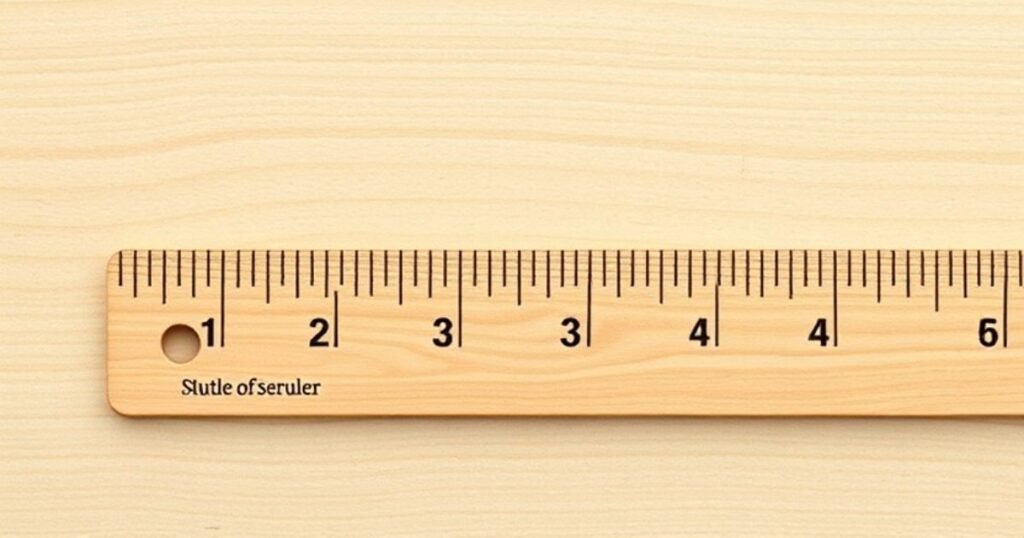
A common question people ask is whether 7 inches is big or small, and the answer depends on comparison rather than the number itself. When placed within a general measurement scale, 7 inches usually falls into a medium-to-above-average category.
| Length Range | Category |
| 1–3 inches | Small |
| 4–6 inches | Medium |
| 7–9 inches | Medium-large |
| 10+ inches | Large |
This means that 7 inches is not small, and in many cases, it is slightly above what people consider average. It is long enough to be noticeable but not so large that it becomes difficult to handle or use in practical situations.
Measurement Tips: How to Accurately Measure 7 Inches
If you want to confirm whether something is 7 inches long, accuracy is important, especially when precision matters in tasks like crafting, shopping, or design. Measuring incorrectly can lead to confusion or mistakes, so it is always best to follow proper steps.
To measure accurately, you should use a ruler or measuring tape and ensure that the object is placed flat against the measuring surface. Always start from the zero mark rather than the edge of the ruler, as this is a common mistake that leads to incorrect measurements.
- Use a straight ruler or tape
- Start at the zero mark
- Keep the object aligned
- Measure to the 7-inch mark
Taking these simple steps ensures that your measurement is reliable and consistent every time.
Why People Often Misjudge Length
People often struggle with estimating sizes like 7 inches because human perception is not always accurate. Our brains rely on visual cues and comparisons rather than exact measurements, which can lead to errors in judgement.
For example, a thin object that is 7 inches long may appear longer than a thick object of the same length, simply because of how the eye processes shapes. Similarly, objects placed next to larger items may seem smaller, even if their actual size has not changed.
- Shape affects perception
- Surroundings influence judgement
- Lack of reference causes confusion
This explains why many people cannot easily answer whether 7 inches is long without seeing a comparison.
Practical Uses of 7-Inch Measurements
Understanding “is 7 inches long” becomes more useful when you look at how often this measurement appears in real life. It is a common size used in many products and tools because it offers a balance between portability and usability.
You will often find 7-inch measurements in items such as kitchen utensils, small electronic devices, stationery, and DIY tools. This size is popular because it is easy to handle, store, and carry without being too small or too large.
- Kitchen tools → knives and utensils
- Electronics → tablets and screens
- Stationery → pens and notebooks
- DIY tools → compact equipment
This shows that 7 inches is not just a random measurement, but a practical standard used in many industries.
Comparing 7 Inches to Other Lengths
To better understand whether 7 inches is long, it helps to compare it with nearby measurements. These comparisons provide a clearer sense of where it stands on the scale.
| Length | Comparison |
| 5 inches | Small-medium |
| 6 inches | Average |
| 7 inches | Slightly above average |
| 8 inches | Long |
| 10 inches | Very long |
From this comparison, it becomes clear that 7 inches sits just above the midpoint, making it a balanced and versatile size.
Psychological Perception of Length
The way we perceive size is influenced by psychological factors, which is why the same measurement can feel different depending on the situation. When asking “is 7 inches long”, people are often relying on perception rather than actual measurement.
For instance, an object may appear larger when placed next to something small, but smaller when placed next to something bigger. Expectations also play a role, as people often assume certain objects should be a specific size.
- Surroundings change perception
- Expectations affect judgement
- Experience shapes understanding
This highlights that size is not just physical, but also psychological.
Benefits of Understanding Measurements Like 7 Inches
Knowing what 7 inches looks like can be surprisingly useful in everyday life, especially when making decisions that involve size, space, or compatibility.
When you understand this measurement clearly, you can estimate sizes more accurately, choose the right products, and avoid common mistakes. This is particularly helpful in shopping, home improvement, and general planning.
- Improves decision-making
- Saves time and effort
- Reduces measurement errors
- Builds confidence in estimation
These benefits show that understanding simple measurements can have a practical impact on daily life.
FAQs
What does 7 inches look like in real life?
Seven inches looks similar to the length of a standard pencil, a toothbrush, or an adult hand from wrist to fingertip. It is also close to the width of a small tablet or the length of a TV remote, which makes it easier to visualise in everyday situations.
Is 7 inches considered long or average?
Seven inches is generally considered slightly above average. It is not extremely long, but it is longer than many common objects, placing it in the medium-to-large range depending on context.
How can I measure 7 inches without a ruler?
You can estimate 7 inches using familiar objects such as your hand, a pencil, or a smartphone. Most adult hands are close to 7 inches long, making them a convenient reference when a ruler is not available.
How many centimetres is 7 inches?
Seven inches equals approximately 17.78 centimetres. This conversion is useful when working with metric measurements or comparing sizes internationally.Is 7 inches big or small?
It depends on context, but usually medium to large.
Conclusion
So, is 7 inches long? The answer depends on context, but in most everyday situations, it is considered a moderate to slightly above-average length. It is large enough to be useful and noticeable, yet small enough to remain practical and easy to handle.
Now that you understand this measurement clearly, try observing objects around you and estimate their length—you might be surprised at how often 7 inches appears in daily life.